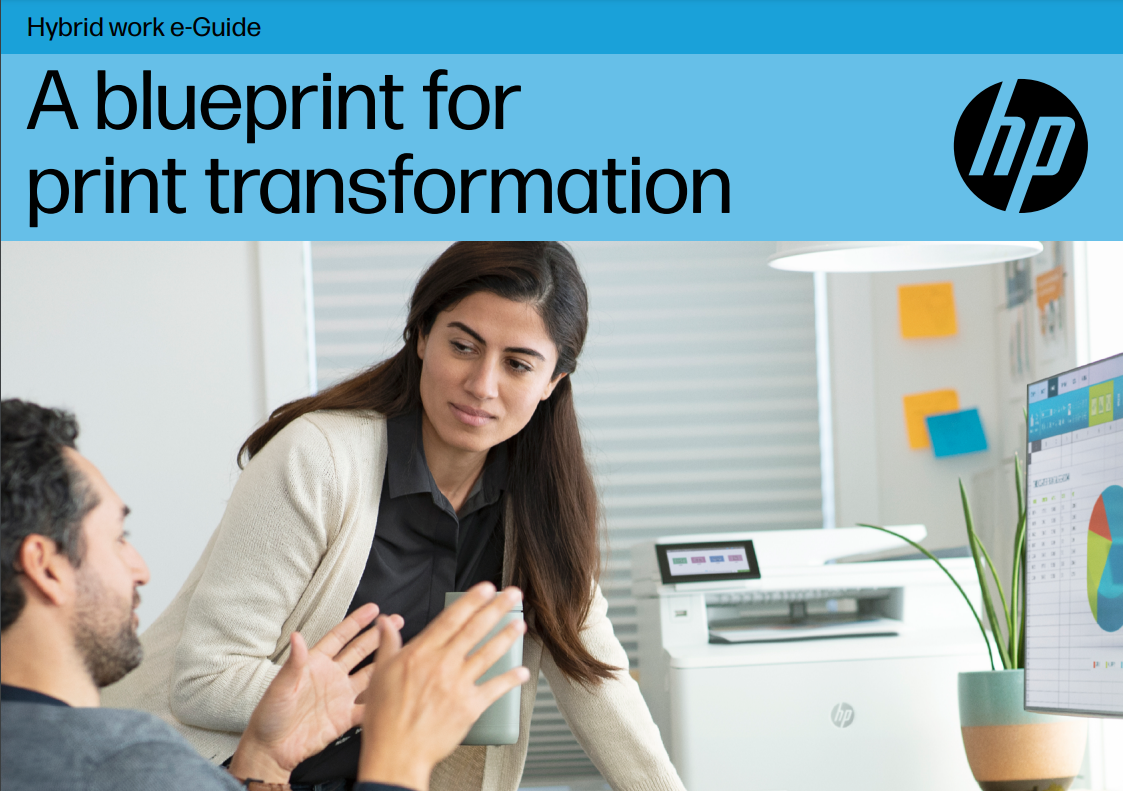
Hybrid work refers to a flexible working model that allows employees to choose where and how they work, whether from home, in the office, or a mix of both. The shift towards hybrid work has been driven by the need for adaptability in response to changing workforce expectations and the lessons learned during the disruptions of 2020. Organizations are now tasked with reimagining their work environments to support this flexibility while maintaining productivity and collaboration.
How can organizations enhance productivity in a hybrid work model?
To enhance productivity in a hybrid work model, organizations should develop a clear hybrid work strategy informed by data. This includes understanding the unique needs of different employee roles, investing in the right technologies, and ensuring seamless workflows. Additionally, fostering a culture of security and setting boundaries to prevent digital overload are crucial for maintaining employee well-being and engagement.
What role does technology play in hybrid work?
Technology is essential for facilitating a smooth transition to hybrid work. It should enable connectivity, flexibility, and automation to streamline workflows. Organizations need to ensure that their technology solutions are easy to manage and secure, allowing IT teams to focus on critical projects while supporting remote workers effectively. Integrating cloud solutions and managed print services can further enhance productivity and collaboration across teams.




 Sign in with LinkedIn