Here's how the data we feed AI determines the results
Generative AI hallucinations are the least of our problems
How does data quality affect AI results?
The phrase 'Garbage In, Garbage Out' (GIGO) highlights that the quality of data fed into AI systems directly impacts their output. If an AI model is trained on biased or unreliable data, it will produce similarly flawed results. For instance, if a generative AI is primarily trained on data from certain news sources, it may reflect those biases in its responses, leading to inaccurate conclusions.
What are AI hallucinations?
AI hallucinations refer to instances where generative AI models produce incorrect or fabricated information. This happens because these models do not truly understand the content; they predict the most likely words to follow a query based on their training data. For example, if asked about a recent event, an AI might confidently provide outdated or incorrect information if it hasn't been updated with the latest data.
How does bias in training data affect AI outputs?
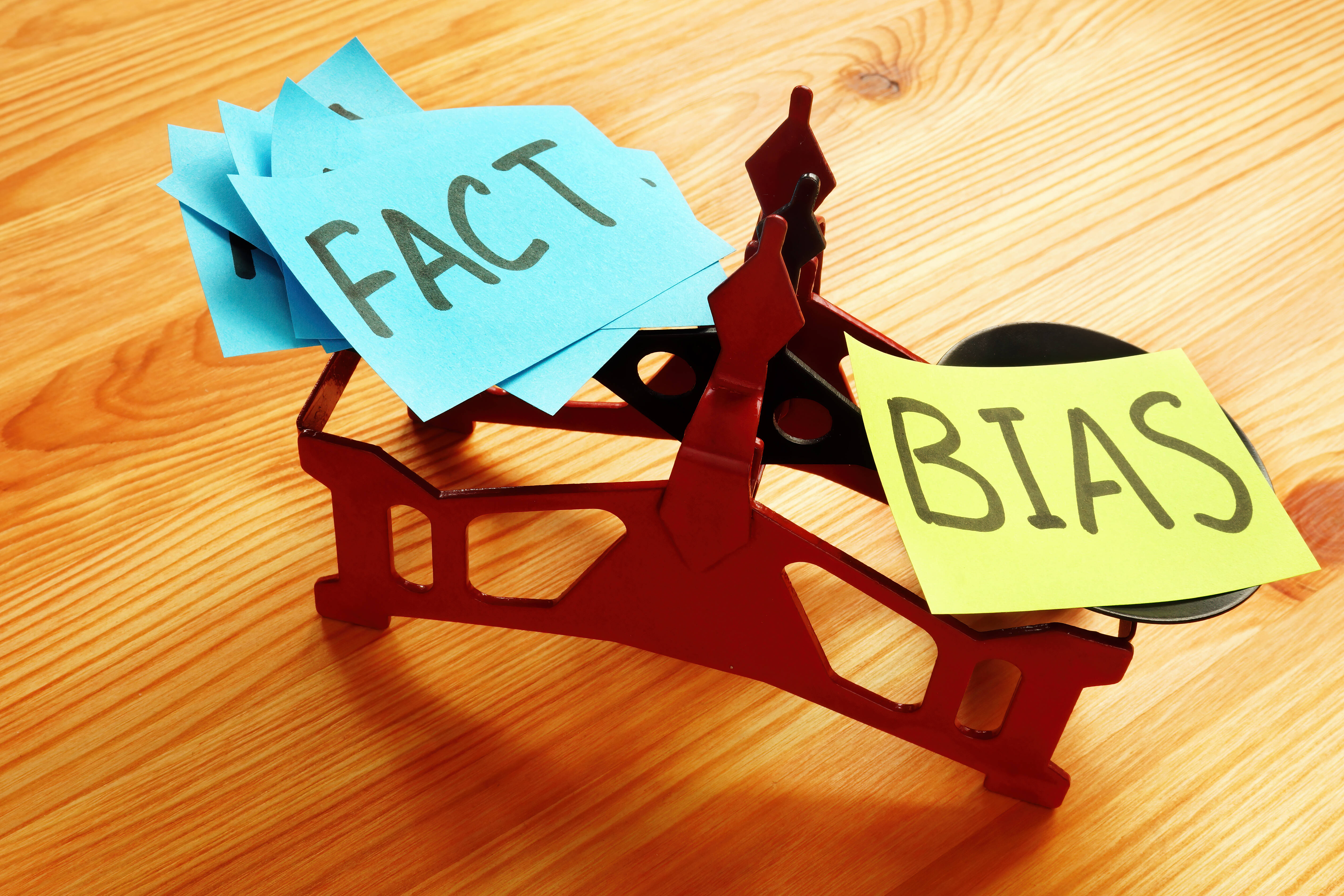
Bias in training data can significantly influence AI outputs. For example, a dataset like Google's C4 filtered out certain dialects and languages at higher rates, which can lead to underrepresentation of specific social groups. This systemic bias can result in AI systems that do not accurately reflect diverse perspectives, ultimately affecting decision-making processes that impact people's lives.
Here's how the data we feed AI determines the results
published by Firehorse Optimization Technology and Services
Firehorse-OTS has over of 20 years of expertise in assisting Top C-Level Business Professionals, and I.T. Professionals by transforming their business through trending Digital Transformation Technologies and Professional Services Resources. Our experience comes from addressing real world business requirements and challenges to create the best business outcomes to fulfill your company’s key initiatives for success.




 Sign in with LinkedIn